Travel Notes | 2023 Shanghai Tour #3 When I Became a Professional Player of ChinaJoy
What is a professional player? A professional player is a group of not-so-professional people who wear a little sign around their necks just to show how different they are from regular players. The sign allows him free access to places that he can't read either, but to show his expertise has to put on a show of pretence and act like he knows what he's doing.
Yes, I bought one of these signs for ChinaJoy this year.
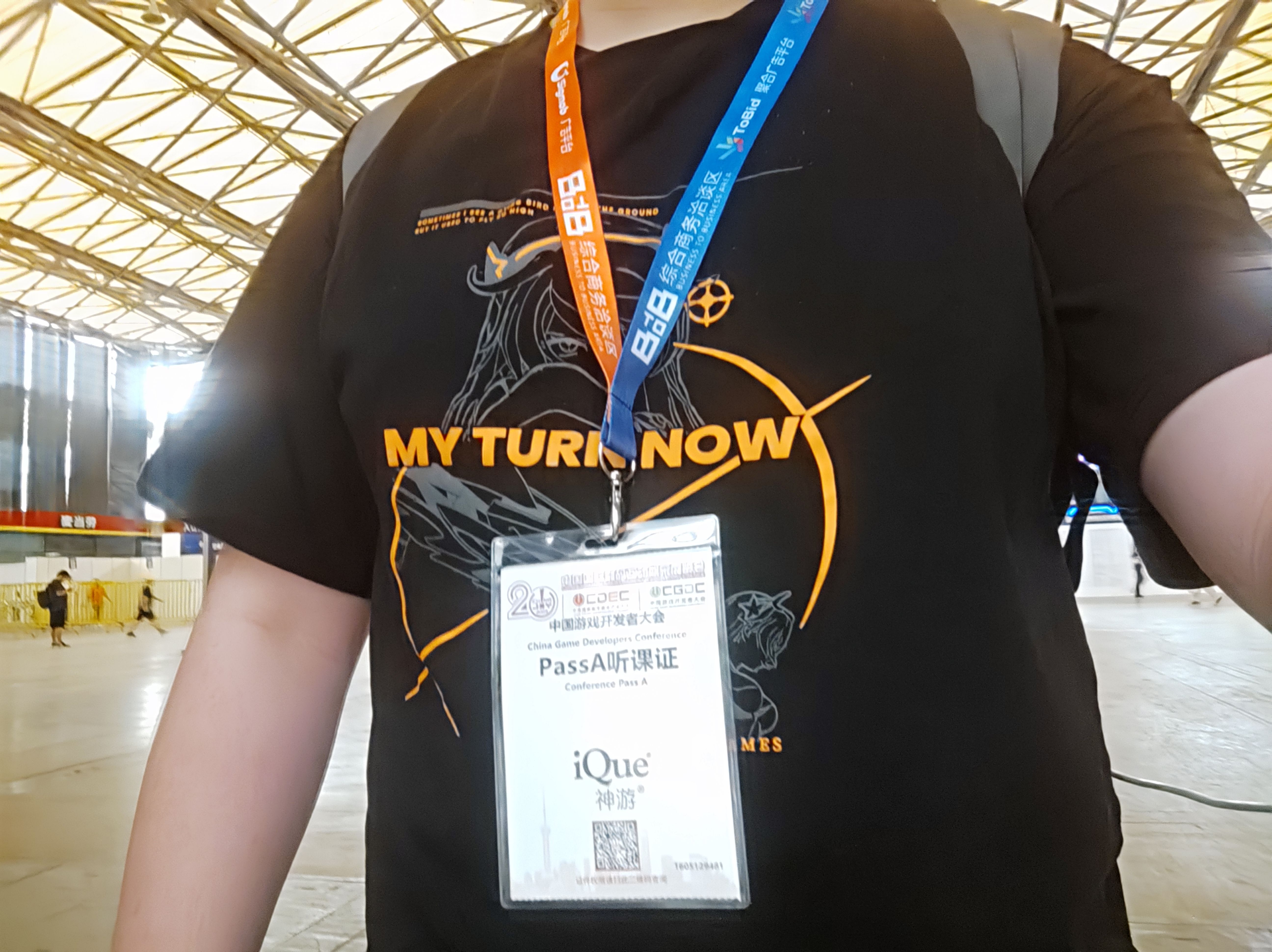
Before talking about the professional player, we have to first understand some of the composition of ChinaJoy, China International Digital Interactive Entertainment Exhibition, including the main exhibition for the public and the China Digital Entertainment Congress (CDEC) for professionals. The exhibition is divided into BtoC public exhibition area and BtoB commercial exhibition area, and CDEC is divided into CDEC Summit Forum, Global Game Industry Summit, China Game Developers Conference (CGDC) and so on a variety of subdivided forums and conferences.
Those who register for any of the CDEC sessions will be given a visitor pass that allows them access to the BtoB commercial area of the exhibition.
I'm attending the China Game Developers Conference this time, but of course we'll leave the specifics of the conference for another chapter, and today I'm going to focus on the commercial area, which is only accessible to professional players.
The commercial area occupies only two halls each year (ChinaJoy uses all 17 halls of the Shanghai New International Expo Centre, 11 of which are used for exhibitions), but these two halls are the most essential part of the entire exhibition. It is home to a large number of companies serving the game industry in China and abroad, and the companies that come to the show every year will change according to the different needs of the Chinese game industry that year, which makes it easy for us to speculate the general development direction of the entire Chinese game industry in the coming year.
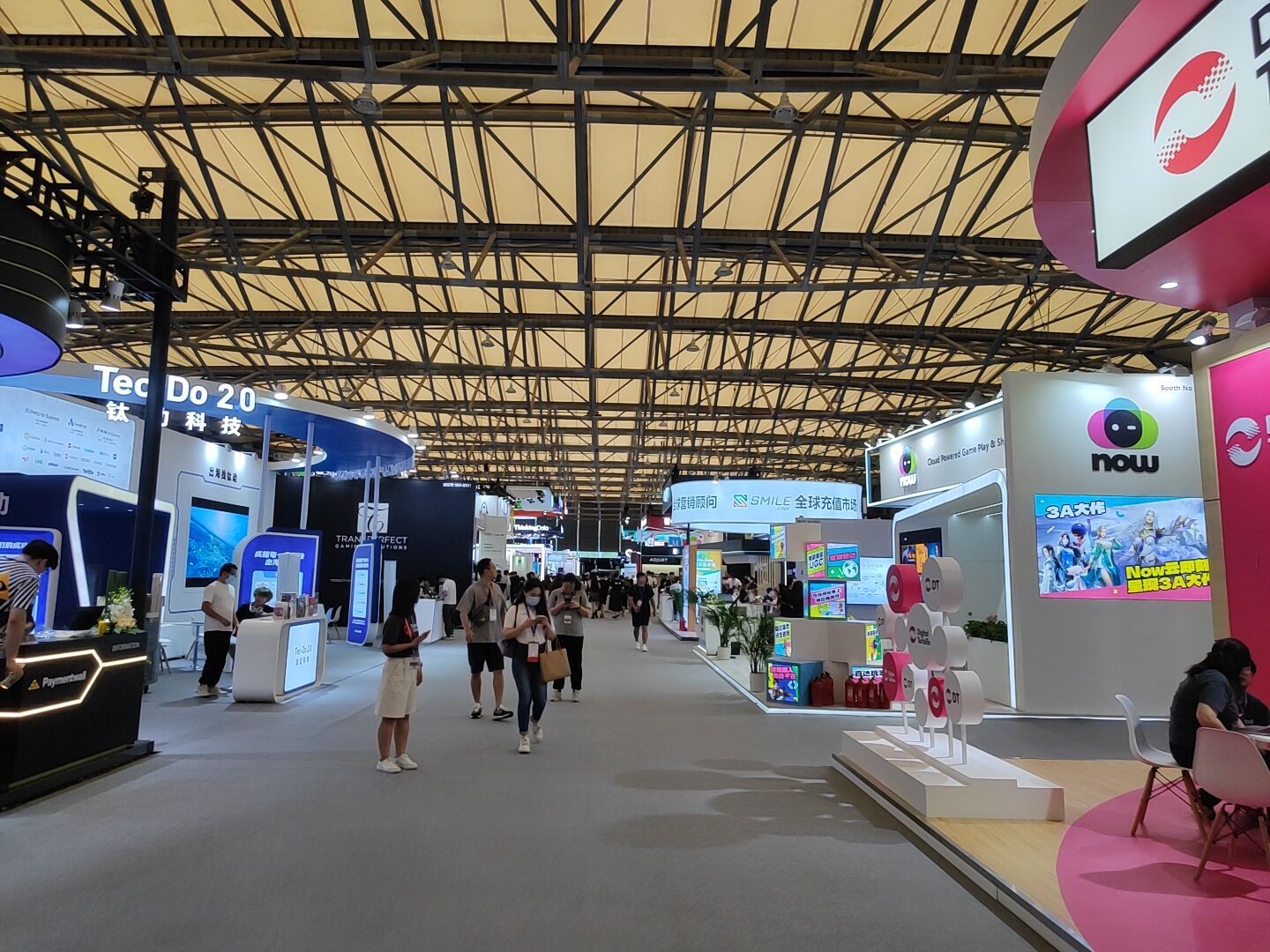
So what did this year's commercial area reveal? As we can see from the list of exhibitors, while there are a number of cutting-edge technologies in use, there are more companies that serve games going overseas, marketing and billing.
Chinese game makers are actively seeking opportunities to go overseas, especially mobile game makers. China's mobile game market has become close to saturation under the fierce competition from headline players such as Tencent, NetEase, and MiHoYo (HoYoverse), and most of the games invested in such a market are either dead or injured.2023 In the first half of the year, China approved a total of 548 game publishing numbers, which exceeded last year's full year's total, but the actual revenues fell by 2.39% year-on-year, and there were even two mobile games that had not yet been started due to the fact that test revenues did not meet expectations and were Stop service. And those mobile phone games that barely opened service also fell directly down the charts and went unnoticed. In contrast, the Middle East, Europe and the United States mobile phone game market is a large piece of fertile ground waiting to be discovered, although the consumer willingness of users in overseas markets is also continuing to go down, but most of the game makers have a positive attitude towards the future development of the overseas market, after all, the competition in the overseas market will not be as fierce as the Chinese market.
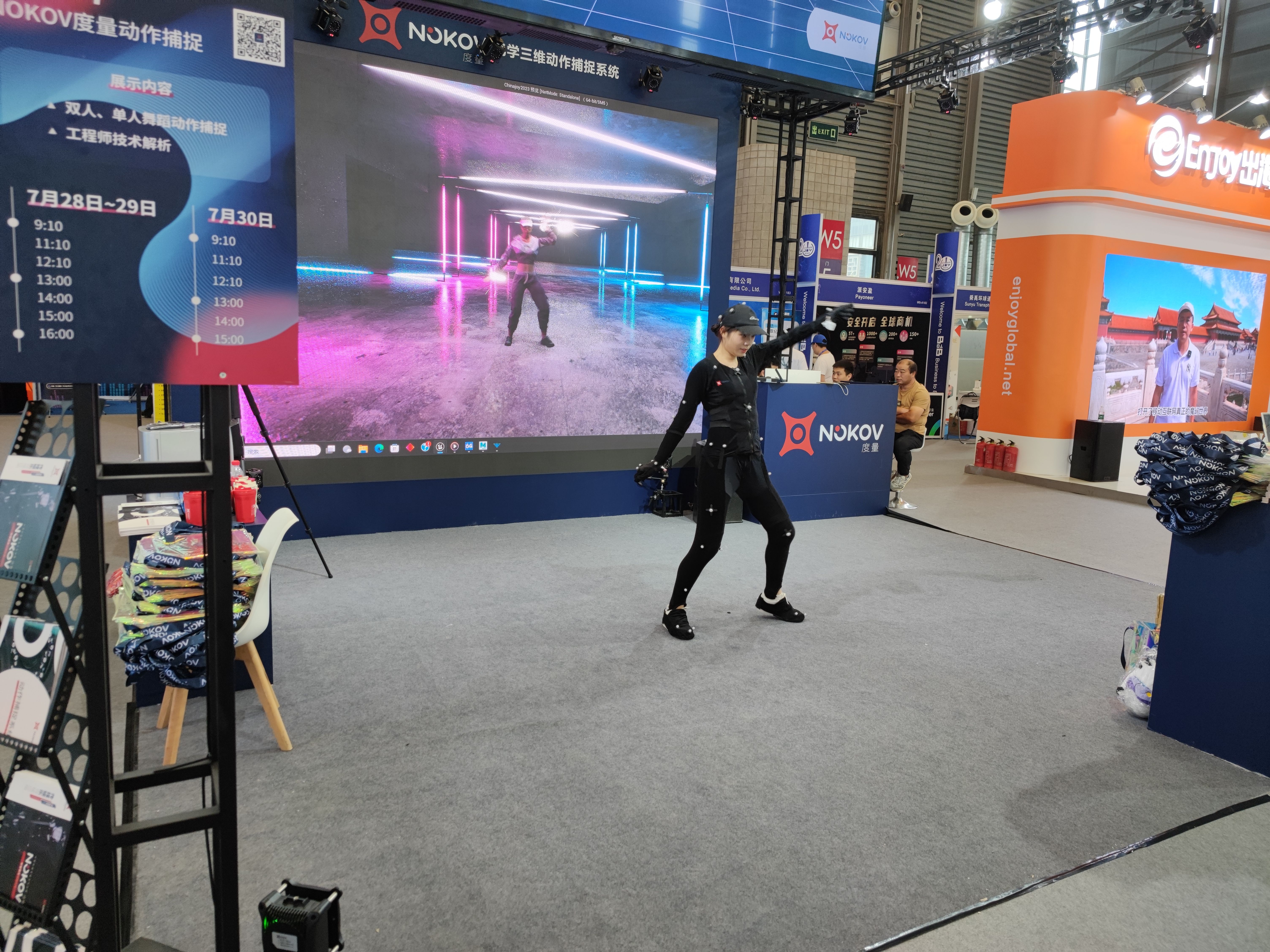
Of course apart from analysing the development of the Chinese gaming market, there are some other interesting elements here. For example, the motion capture system, which can be seen as soon as you enter the hall, is now being used by many major game manufacturers. It has replaced the original manual keyframe process, drastically reducing game production time and improving the accuracy of in-game character movement. It is also used in virtual character live broadcasting and CG animation, which are very hot at the moment. Cygames, a famous Japanese game maker, and Cover, the parent company of Hololive, a famous Vtuber society, have both spent a lot of money to build huge motion capture venues to provide a lot of help for their animation works.
I also talked to companies that provide cloud computing services as a college student game developer. Take the lab I joined during my college years as an example, most of my classmates only had gaming laptops with not-so-high configurations. When they wanted to do high-load tasks such as model rendering, game compilation, machine learning, etc., they could only borrow the two public computers in the lab, which made most of them need to queue up for many days to use these two computers. And the employee of this company introduced me to the game cloud development platform that their company has built for other universities. They set up a server on the university's intranet, which allows multiple people to use it at the same time and dynamically allocates arithmetic resources, significantly alleviating the problem of arithmetic shortage. As far as I'm concerned our lab still needs this server, but unfortunately I'm just a college student who has already graduated, and these things are not up to me.

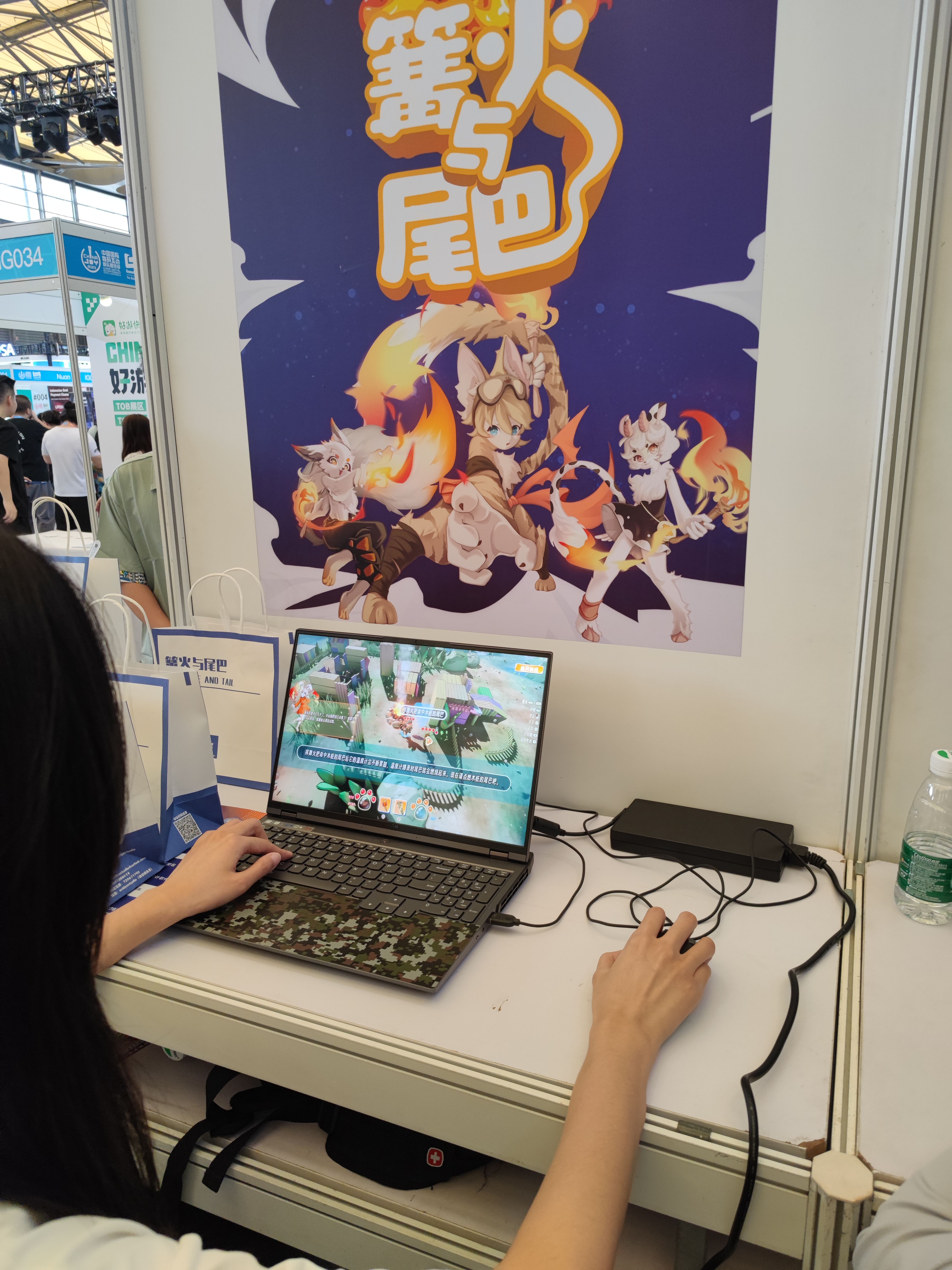
In addition to various commercial companies, the commercial area also had an area for showcasing the China Indie Game Development Competition, which had a lot of interesting new indie games to try out. As far as I'm concerned, the most interesting game in there is "Campfire and Tail", which is a survival game with the theme of furry, with a very cosy drawing style, which is a great game for Furry. And for non-Furry, the various critters in it are also very cute, and it's a game worth checking out.
Of course these are only a small part of the commercial area, more can be seen in the video below (in Chinese only):